 |
|
內有報名文件連結
|
|
 |
| 名家字帖瀏覽人次排行 |
上月 |
本月 |
|
|
|
|
523 |
120 |
 |
| 明 |
董其昌 |
曹娥碑 |
118 |
104 |
|
| 元 |
鮮于樞 |
醉時歌 |
34 |
76 |
 |
|
|
|
 |
與仲儀帖 A thank-you letter |
作者: 趙令時 Chao Lingshih
|
朝代: 宋 Sung Dynasty
|
|
 |
 放大預覽 放大預覽
 加入購物車 加入購物車
|
【作者介紹】 |
|
趙令畤(1061-1134)初字景貺,改字德麟,自號聊複翁。太祖次子燕王德昭玄孫。元佑中簽書潁州公事。時蘇軾為知州,薦其才於朝。後坐元佑黨籍,被廢十年。紹興初,襲封安定郡王,遷寧遠軍承宣使。四年卒,贈開府儀同三司。
|
Inside Story
|
This was a letter Chao Lingshih wrote to thank Chungyi for giving him pears and chestnuts. |
|
|
|
 |
|
|
| 晉 王羲之 |
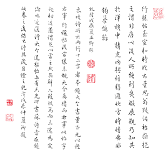 |
| 王羲之《行穰帖》,原跡已失傳。此為初唐時期的雙鉤填墨摹本,硬黃紙本,傳為米芾再臨本,24.4×8.9cm。二行,十五字,由北宋徽宗金泥題簽和宣和之印,曾為董其昌友人吳廷所藏,明董其昌有多處題跋,後入清宮,乾隆有題跋題詩及鑒賞印。據說《行穰帖》為八國聯軍侵略中國時,從圓明園(宮廷)流落到民間的國寶,同時流出的還有鐘繇《薦季直表》和蘇軾《黃州寒食帖》等。《行穰帖》後為大風堂張大千收藏。《行穰帖》歸大風堂後,張大千來日本曾攜此卷並一時存放于書法家西川甯處。現藏美國普林斯頓大學美術館。號稱美國藏中國書法第一名品。 |
|
|
|
| 明 祝允明 |
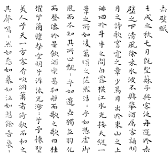 |
| 〈前後赤壁賦〉是東坡極為有名的作品,特別是〈前赤壁賦〉更是佳作中的佳作。其中主要表達的思想,是東坡在貶官之餘,看到赤壁壯闊的景色,想起三國時的種種事情,進而感受到「人」的渺小、人生的短暫與無常,心中因此而感到難過,但是又進一步表示人生雖然短暫,但是人的精神境界如果不被俗世的名利所束縛,而能夠像大自然一樣無拘無束,這樣的人生,也是一種永恆。需要特別說明的是,東坡寫〈前後赤壁賦〉時所處的赤壁,並不是三國時赤壁之戰的赤壁,只是名字一樣而已,東坡就借著一樣名字而有所發抒。 |
|
|
|

